
The complete buyer and seller interview guide
Questions to Ask a Real Estate Agent Before Hiring Them: An Albuquerque Buyer and Seller Guide
Based on Albuquerque Real Estate Talk, Episode 590. Researched and updated July 20, 2026.
Do not hire a real estate broker because they gave you the highest price opinion, promised instant access to every listing, or delivered the smoothest sales pitch. Hire the professional who can explain a sound process, show relevant evidence, identify risks, communicate clearly, and adapt the strategy to your goals.
What should you ask a real estate agent before hiring them?
Ask questions that reveal how the broker thinks and works. Buyers and sellers should ask about the brokerage relationship, relevant local experience, communication, availability, compensation, contract terms, conflicts of interest, negotiation strategy, risk management, and what happens when the original plan stops working. Sellers should go deeper on pricing, preparation, marketing, showing feedback, offer comparison, appraisal risk, and net proceeds. Buyers should go deeper on affordability, property search, offer construction, inspections, due diligence, appraisal, financing coordination, and resale risk.
In New Mexico, the licensed professional representing you is a broker. REALTOR® is a separate designation for real estate professionals who are members of the National Association of REALTORS®. Before hiring anyone, verify the broker’s New Mexico license status, brokerage affiliation, and who will be responsible for your representation.
Listen to the conversation behind these questions
In Episode 590 of Albuquerque Real Estate Talk, Tego Venturi, Tracy Venturi, and Asel Venturi discuss the questions homeowners should ask before choosing a listing broker—and why the obvious question is often only a proxy for a deeper concern. The same approach applies to buyers: ask what is behind the promise, which evidence supports the advice, and how the broker will respond when circumstances change.
Start with the question under the question
A surface question can produce a polished but unhelpful answer. “How many homes have you sold?” may really mean, “Have you handled a situation like mine?” “What is your fee?” may mean, “What will I receive, what might I pay, and how will your work improve my decisions?” “Is now a good time?” may mean, “Am I likely to regret this?”
“How many questions in real estate, they're asking one thing, but what they're really asking, what's the underlying thing that they're trying to decide?”
— Tego Venturi, Albuquerque Real Estate Talk Episode 590
The goal of a broker interview is not to collect identical promises from three people. It is to understand how each person will help you make decisions when the facts are incomplete, the stakes are high, and the answer is not obvious.
| Surface question | What you may really need to know | Sharper follow-up |
|---|---|---|
| How long have you been in real estate? | Have you solved problems like mine recently? | Walk me through two recent transactions similar to mine and one thing that went wrong. |
| What is my home worth? | Can I reach my next financial or housing goal? | Show me the evidence, the likely range, and an estimated net sheet—not just a list price. |
| What is your commission? | What am I paying for, and what other costs or choices affect my result? | List the services, exclusions, compensation scenarios, and any costs I may owe if we do not close. |
| Can you find off-market homes? | Will I see the best realistic options? | Explain your search process, what “off-market” means, and how you protect me from weak or unverifiable information. |
| Is it a good time to buy or sell? | Am I making a decision I may regret? | What facts would make you advise me to act now, wait, or change the plan? |
How to interview a real estate broker without turning it into an interrogation
Interview enough brokers to create a meaningful comparison—often two or three—unless you already know and trust a professional whose process you have seen. Use the same core questions with each person, but allow the conversation to follow your situation. The quality of the broker’s questions about you matters as much as the answers they give.
- Explain the decision first. Share your goals, timeline, constraints, concerns, and what a successful outcome would look like.
- Ask for process and evidence. “Show me how you do that” is more useful than “Do you market homes?” or “Are you a good negotiator?”
- Use one scenario question. Ask how the broker would respond if the appraisal is low, the inspection is difficult, the first two weeks produce little activity, or the seller refuses a reasonable request.
- Review the agreement before deciding. Compare services, term, compensation, cancellation, protection periods, and conflicts—not just personality.
- Score after the meeting. Write down what was specific, what was vague, and whether the broker listened before the conversations blur together.
“Show me. Don't just tell me what you do. Show me.”
— Tracy Venturi, Albuquerque Real Estate Talk Episode 590

Questions every buyer and seller should ask before hiring a real estate broker
1. Are you licensed in New Mexico, and how can I verify your license?
Direct answer: A New Mexico consumer should be able to verify that the person holds a current associate broker or qualifying broker license. The New Mexico Real Estate Commission licenses and regulates real estate brokers and provides a public license lookup.
Ask next: “Are there any limitations on your license or services, and who supervises this transaction if you are unavailable?”
2. What brokerage relationship are you proposing?
Direct answer: In New Mexico, the label matters. State rules recognize transaction broker, exclusive agency, and dual agency relationships. A transaction broker provides real estate services without an agency relationship and is non-fiduciary; exclusive agency is created by an express written agreement; dual agency changes the role to facilitator and requires written authority before offers are written or presented. Read the current New Mexico broker duties and brokerage relationship rule.
Ask next: “Give me an example of advice you could give me in this relationship and advice you could not give me.”
3. What experience do you have with a transaction like mine?
Direct answer: Relevant experience is more useful than a career total. A broker who has closed hundreds of suburban resale homes may still need different support for vacant land, a well and septic property, an estate, a solar agreement, a condominium, a luxury home, new construction, relocation, or a sell-and-buy sequence.
Ask next: “What was difficult about the last similar transaction, and what did you do?”
4. Who will actually do the work, and who is my main contact?
Direct answer: Some brokers work solo; others divide showings, marketing, paperwork, negotiations, and deadline tracking among licensed brokers, transaction coordinators, and administrative staff. Neither model is automatically better. You need to know who owns each step and who can make decisions or give brokerage advice.
Ask next: “If you are unavailable when an offer arrives or the right home appears, exactly who steps in?”
5. How and when will we communicate?
Direct answer: Agree on channel, frequency, response time, urgent-event handling, and who receives updates. “I communicate often” is not a system. Sellers may need scheduled activity and feedback reports; buyers may need rapid showing and offer communication plus calm milestone explanations.
Ask next: “What deserves a phone call instead of a text or email?”
6. How do you help clients make decisions instead of simply carrying out instructions?
Direct answer: A capable broker should present options, consequences, market evidence, contract considerations, and a recommendation while leaving the decision with the client. Ask for a recent example of a difficult decision and how the broker framed it.
Ask next: “Tell me about a time you advised a buyer not to buy or a seller not to accept an offer.”
7. How do you negotiate, and can you give a specific example?
Direct answer: “I am a strong negotiator” is a claim, not evidence. Good negotiation includes preparation, information gathering, contract fluency, disciplined communication, risk assessment, and knowing which terms matter to the other party. It is not just aggressive language or winning every point.
Ask next: “How do you decide when to push, when to trade terms, and when to walk away?”
8. What are the biggest risks in my plan?
Direct answer: This question tests honesty and judgment. Depending on the situation, the risk may be an unrealistic price, a thin cash reserve, a difficult sell-and-buy timeline, appraisal exposure, deferred maintenance, weak documentation, a narrow search, or a contract term that creates avoidable pressure.
Ask next: “Which risk can we reduce now, and which risk will remain even with a good plan?”
9. How can I verify your experience and work?
Direct answer: Review the state license, recent transactions, sample marketing, professional profiles, and reviews across more than one platform. Ask whether sales appear under an individual or team profile. References can add context, but online volume or five-star ratings alone do not prove that the person is the right fit for your transaction.
Ask next: “Show me the last three relevant transactions and explain your role in each.”
10. What questions should you be asking me?
Direct answer: A broker cannot build a useful strategy without understanding your priorities, financial boundaries, timing, decision-makers, risk tolerance, communication preferences, and fallback plan. The interview should not be a one-way presentation.
Ask next: “What have you heard from me that will most influence your advice?”
Questions to ask a listing agent before selling your home
Seller interviews often overemphasize the suggested list price and commission. Those matter, but the stronger comparison is the complete plan: how the price was developed, which preparation is worth doing, how the property will be presented, how market response will be measured, how offers will be compared, and how the transaction will be managed through closing.
11. How did you determine the recommended list price?
Direct answer: A credible pricing recommendation should connect recent relevant sales, current competing listings, pending activity when available, property condition, features, location, buyer demand, price-bracket behavior, and your timing. An automated estimate or price per square foot can be a starting reference, but neither sees the whole property or the current competitive set.
Ask next: “Which three properties will buyers compare with mine this week, and how does mine win or lose that comparison?”
12. Have you personally seen my home and the most relevant competing properties?
Direct answer: Data cannot fully capture maintenance, layout, natural light, views, noise, odors, updates, workmanship, street position, or emotional first impression. A broker should tour your home before finalizing a pricing and preparation strategy and should understand the active competition through firsthand experience when practical.
“Zestimate's not boots on the ground.”
— Asel Venturi, Albuquerque Real Estate Talk Episode 590
Ask next: “What did you notice in person that an automated valuation would miss?”
13. What should I repair, improve, clean, stage, or leave alone?
Direct answer: Preparation should be prioritized by buyer impact, cost, time, property condition, and likely return—not by a generic remodeling list. Ask the broker to separate required or high-risk items from presentation improvements and optional projects. In the episode, Tracy emphasizes that cleaning remains important even when larger updates are not practical.
Ask next: “If I can spend only $2,000—or nothing—what should we do first?”
14. What exactly is included in your marketing plan?
Direct answer: MLS exposure is distribution, not the entire marketing strategy. Ask about photography, floor plans, video or virtual tour, listing copy, property facts, map and location context, signage, showing systems, social promotion, broker outreach, open houses when appropriate, accessibility, image order, syndication checks, and how the listing is made understandable to human buyers and AI-assisted search tools.
Ask next: “Show me a live listing and a recently sold listing that demonstrate this plan.”
15. How will you describe my home accurately without creating compliance or appraisal problems?
Direct answer: Strong listing copy is specific and verifiable. It should distinguish real property from personal property, avoid unsupported claims, use fair-housing-safe language, disclose known material facts as required, and not inflate square footage, bedroom status, permitted improvements, solar ownership, or other details.
Ask next: “Which facts will you verify before the listing goes live, and which facts will be labeled as seller-provided?”
16. What is the launch plan for the first two weeks?
Direct answer: The initial market window should have a defined sequence: preparation completion, media, MLS accuracy review, showing readiness, launch timing, inquiry response, open-house or broker outreach decisions, and scheduled review of activity. Evergreen strategy does not mean every home launches the same way.
Ask next: “What will we know after 3 days, 7 days, and 14 days—and what actions could follow?”
17. How will showings, access, security, pets, and feedback be handled?
Direct answer: Agree on notice, showing windows, lockbox use, alarm and pet instructions, occupied-home privacy, vacant-home checks, open-house procedures, and how feedback is requested and filtered. Feedback is evidence, not a vote; one comment may be noise, while a repeated objection may reveal a price or condition problem.
Ask next: “How many repeated comments would cause you to recommend a change?”
18. How will you measure market response beyond the number of showings?
Direct answer: A useful review may include showing volume, repeat visits, saves or favorites when available, listing views interpreted cautiously, inquiry quality, broker feedback, open-house engagement, competing listings, new pendings, price reductions, and whether buyers are choosing alternatives.
Ask next: “Which leading indicators matter before we have an offer?”
19. What is the plan if the home does not receive the expected response?
Direct answer: Ask for the decision framework before the listing launches. The response might be to correct facts, improve presentation, address a repeated objection, change showing access, reposition against new competition, adjust price, pause, or do nothing if the evidence is still too thin.
Ask next: “What result would prove that your original recommendation was wrong?”
20. How will you compare offers—and not just prices?
Direct answer: Sellers should see price, estimated net, financing, cash verification or lender strength, earnest money, contingencies, inspection terms, appraisal exposure, concessions, personal property, closing date, occupancy, sale-of-property conditions, and other risk points in a consistent summary.
“The highest offer is not always the strongest offer.”
— Tracy Venturi, Albuquerque Real Estate Talk Episode 590
Ask next: “Show me the offer comparison format you use, with confidential details removed.”
21. How do you evaluate financing and appraisal risk?
Direct answer: A high price does not help if the buyer cannot perform. The broker should explain how loan type, down payment, lender communication, preapproval quality, cash reserves, appraisal terms, property eligibility, and the gap between contract price and supportable value may affect certainty.
Ask next: “If two offers have the same net price, what facts would make one safer?”

22. What will my estimated net proceeds be?
Direct answer: Ask for an estimated seller net sheet showing the proposed price, mortgage and lien payoff assumptions, broker compensation, title and closing charges, taxes or assessments, concessions, repair allowances, HOA-related items where applicable, and other known costs. It is an estimate, but it makes “What is my home worth?” relevant to your next move.
Ask next: “Which line items are fixed, negotiable, estimated, or still unknown?”
23. How will buyer-broker compensation and seller concessions be discussed?
Direct answer: Ask the listing broker to explain your options, the potential buyer-side costs in your segment, how different choices may affect marketing or offer structure, and how any authorization will be documented. Under current NAR practice guidance, offers of buyer-broker compensation are not mandatory, commissions are negotiable, and seller authorization is required for an offer or payment. See NAR's consumer guide to listing agreements.
Ask next: “How could each option affect my estimated net and the way buyers structure offers?”
24. What happens after I accept an offer?
Direct answer: Ask for a contract-to-closing roadmap covering earnest money, title work, disclosures, inspections, objections or repairs, appraisal, financing, seller obligations, utilities, final walkthrough, closing, possession, and contingency or deadline tracking. The seller may have quiet periods, but the file is still moving.
Ask next: “Which seller deadlines could put me in breach if missed, and how will you keep me ahead of them?”
25. How will you help me coordinate selling and buying at the same time?
Direct answer: This is two linked risk systems, not two ordinary transactions. Ask about the sequence, financing approval, equity availability, temporary housing, possession, sale contingencies, backup plans, moving logistics, and what happens if one closing moves or fails.
Ask next: “Draw the timeline and show me the failure point in each option.”
Questions to ask a buyer's agent before buying a home
A buyer is not hiring a door opener. The broker's deeper value is helping the buyer build an affordable plan, compare homes with local context, investigate risks, write offers with eyes open, manage deadlines, negotiate changing facts, and reach closing without losing sight of life after closing.

26. How will you help me define a realistic buying plan?
Direct answer: A useful plan connects monthly payment comfort, lender qualification, cash to close, reserves, location, property type, timing, must-haves, tradeoffs, and a fallback strategy. The maximum loan approval is not automatically the right budget.
Ask next: “How will we separate what I qualify for from what I can comfortably sustain?”
27. How do you translate an interest rate into the decision I actually need to make?
Direct answer: Rates change and vary by loan, borrower, points, term, lock, and market conditions. The practical question is usually whether the total payment, cash requirement, and remaining reserves support the buyer's broader life. The broker should coordinate with the lender without pretending to give lending advice.
“Can I afford to buy a house?”
— Tego Venturi explaining the question beneath “What's your rate?” in Episode 590
Ask next: “What price range should I search if I want my total monthly housing cost near my target?”
28. How well do you know the Albuquerque submarkets and property types I am considering?
Direct answer: Albuquerque-area conditions can vary by location, price band, property type, age, construction, utilities, land, and buyer demand. Ask for recent examples in the Northeast Heights, Westside, North Valley, Nob Hill, Downtown, Rio Rancho, Corrales, Placitas, East Mountains, Los Lunas, or another area only if it is relevant to your plan.
Ask next: “What tradeoffs do buyers at my budget commonly face in these two areas?”
29. How will you search for homes beyond sending an automated portal?
Direct answer: An MLS alert is useful, but the broker should also refine criteria, monitor status changes, identify overlooked options, communicate with listing brokers when appropriate, check new construction or other legitimate sources, and help you distinguish a real opportunity from stale or incomplete information.
Ask next: “What will you do when the obvious search returns too few—or too many—homes?”
30. Who will show me homes, and how quickly can we respond?
Direct answer: Clarify availability, geographic coverage, scheduling limits, backup brokers, virtual tour options, and how urgent opportunities are handled. Fast should not mean careless: buyers still need property facts, disclosures when available, payment context, and time to make an informed choice.
Ask next: “If a promising home lists Friday afternoon and you are booked, what happens?”
31. What do you look for when we tour a home?
Direct answer: A broker is not a home inspector, engineer, appraiser, surveyor, or contractor. Still, an experienced broker should help you observe visible condition, layout, maintenance, apparent additions, utility setup, resale considerations, comparable positioning, and questions requiring specialist investigation.
Ask next: “When you see something concerning, how do you help me investigate it without guessing?”
32. How will you help me decide what a home is worth?
Direct answer: Before an offer, ask for relevant closed sales, active competition, property condition, location differences, days on market, price changes, likely appraisal support, and the seller's apparent priorities when known. “It will sell for whatever someone pays” is not enough.
Ask next: “At what price would you tell me the risk no longer makes sense?”
33. How do you build an offer strategy?
Direct answer: Offer strategy includes price, earnest money, financing, seller-paid costs, inspection and appraisal terms, closing date, possession, personal property, sale contingency, and other contract provisions. The goal is not always to be the highest; it is to write the strongest offer that still respects your budget and risk limits.
Ask next: “Give me a conservative, balanced, and aggressive version of this offer and explain the risk in each.”
34. How do you advise buyers about contingencies without using one-size-fits-all rules?
Direct answer: Financing, appraisal, inspection, sale-of-property, title, and other protections can reduce buyer risk but may affect offer strength. The broker should explain what each provision does in the contract being used, the likely competitive effect, and what you could lose by modifying or waiving it. Legal interpretation belongs with an attorney when needed.
Ask next: “What is the worst realistic outcome if I remove this protection?”
35. What is your inspection and due-diligence process?
Direct answer: Ask how the broker helps identify appropriate general and specialist inspections, schedules within contract deadlines, reviews reports with you, separates safety or major-cost items from routine maintenance, and develops repair, credit, price, acceptance, or termination options. A home inspection is different from an appraisal.
Ask next: “Which additional investigations might this property's age, location, systems, or utilities justify?”
36. How do you help me choose inspectors, lenders, title providers, or other vendors?
Direct answer: Recommendations should be based on relevant experience and client needs, not hidden financial influence. Ask whether you may shop, whether the broker or brokerage has an affiliated business relationship, and how recommendations are selected. CFPB guidance says consumers can often choose among closing providers, and affiliated arrangements require specified disclosures and may not require use in most circumstances.
Ask next: “Do you, your brokerage, or an affiliated company receive any financial benefit connected to this recommendation?”
37. How will you help me investigate flood history, permits, additions, boundaries, utilities, solar, HOA matters, or other property-specific issues?
Direct answer: The right due-diligence list depends on the property. The broker should help identify questions, documents, public sources, and qualified professionals—not promise that the MLS or seller disclosure is complete. CFPB consumer guidance specifically encourages buyers to ask about prior flooding or damage and to understand who the broker represents.
Ask next: “What fact about this property is most important to verify before my deadline?”
38. What happens if the appraisal is low?
Direct answer: The answer depends on the contract, financing, evidence, cash, and negotiation position. Possible paths may include challenging factual errors or unsupported comparable selection through the lender's process, renegotiating price or terms, contributing additional cash, using an agreed appraisal provision, or terminating if the contract allows.
Ask next: “How much appraisal-gap exposure could this offer create, and where would that cash come from?”
39. How will you coordinate with my lender and protect the closing timeline?
Direct answer: The broker and lender should coordinate contract dates, appraisal, underwriting milestones, requested documents, closing disclosure timing, funds needed, and material changes while respecting privacy and professional roles. A strong broker does not choose the loan for you, but does understand how financing affects the contract.
Ask next: “Which lender updates do you expect, and how will I know if the closing date is at risk?”
40. How do you help me think about resale before I buy?
Direct answer: You are buying a place to live, not only an investment. Still, your future flexibility may be affected by location, layout, condition, unusual features, property type, insurance, financing eligibility, HOA rules, access, utilities, and the depth of the likely buyer pool. A broker should discuss tradeoffs without guaranteeing appreciation.
Ask next: “What might make this home harder to finance, insure, appraise, or resell?”
41. When would you advise me not to buy?
Direct answer: A relationship-first broker should be able to identify circumstances in which waiting, renting, reducing budget, expanding the search, building reserves, resolving financing questions, or walking away from a specific property is prudent. This question reveals incentives and the broker's comfort with protecting a client at the cost of a near-term commission.
Ask next: “What warning sign would cause you to slow me down even if I loved the house?”
Questions about the representation agreement, compensation, conflicts, and cancellation
Important: This section is general consumer education, not legal advice. Contract forms and brokerage practices vary. Read the actual agreement, ask questions before signing, and consult a New Mexico attorney when you need legal interpretation.
42. What services are included—and explicitly not included?
Direct answer: The agreement should match the service discussed. Ask about property search or marketing, showings, valuation analysis, offer preparation, negotiation, disclosures, inspection coordination, deadline tracking, closing support, post-closing help, photography or other vendor costs, and anything treated as an add-on.
Ask next: “If a service is not written here, should I assume it is not included?”
43. How long does the agreement last, and what geography or properties does it cover?
Direct answer: Understand the start date, expiration, exclusivity, location, property type, price range, and whether the agreement covers one property, a tour, or a broader search or sale. The term should make sense for the work and your comfort level.
Ask next: “What happens if my search, location, price range, or timing changes?”
44. How will the brokerage be paid?
Direct answer: Ask for the exact amount or method, who may pay, when payment is earned, what happens if a seller or another party contributes less than the agreed buyer-broker compensation, and whether any retainer, administrative charge, cancellation cost, or expense reimbursement applies. Compensation is negotiable and should be documented—not described as “standard” or set by law.
For many REALTORS® and MLS participants, a written buyer agreement is required before touring a home, and it describes services and compensation. NAR's buyer-agent question guide and written buyer agreement guide explain the national practice framework; state law and local forms still matter.
Ask next: “Show me three payment scenarios and the maximum amount I could owe directly.”
45. Can I cancel, and is there a protection or carryover period?
Direct answer: Do not rely on a verbal “we will let you out.” Read the termination process, notice requirement, brokerage approval, reimbursement or cancellation charges, duties that survive termination, and any provision that may require compensation if you later buy or sell with a person or property introduced during the agreement.
Ask next: “Please mark every paragraph that could create an obligation after termination or expiration.”
46. What happens if your brokerage is involved on both sides?
Direct answer: Ask whether the proposed relationship changes, what written consent is required, what information remains confidential, who may advocate for whom, and what alternatives exist. New Mexico's rule distinguishes transaction brokerage, exclusive agency, designated agency, and dual agency; consumers should understand the actual structure before a conflict arises.
Ask next: “Walk me through the exact changes in duties if the buyer or seller is represented by you, your teammate, or another broker in your brokerage.”
47. What other conflicts of interest should I know about?
Direct answer: Potential conflicts can include personal or family relationships with a party, ownership or financial interest in a property or service provider, referral arrangements, multiple clients pursuing the same property, or incentives tied to a builder, lender, title company, or other vendor. New Mexico broker duties include written disclosure of potential conflicts of interest.
Ask next: “How and when will a conflict be disclosed, and what choices will I have?”
48. What documents will I receive, and how will you explain them?
Direct answer: Expect timely copies of signed documents and a plain-English walkthrough of brokerage disclosures, representation agreements, offers, counteroffers, amendments, inspection-related documents, and closing materials within the broker's professional scope. A broker should know when a question requires an attorney, tax professional, lender, inspector, surveyor, appraiser, insurer, or other specialist.
Ask next: “How much review time will I normally have, and what should I never sign without a live conversation?”

Albuquerque and Central New Mexico questions a generic national checklist misses
Local expertise is not memorizing neighborhood slogans. It is knowing when a home's location, age, systems, construction, land, utilities, documents, or buyer pool call for different research and a different plan. Ask only the questions relevant to the property, but make sure the broker can recognize when they matter.
- How does strategy change by submarket and price bracket? Ask the broker to compare current competition and buyer behavior in the actual segment—not “Albuquerque” as one market.
- What additional diligence may apply to a well, septic system, propane, private road, shared access, irrigation or acequia interest, or rural utility setup? Corrales, Placitas, the East Mountains, North Valley, and other areas can involve property-specific questions that an urban utility checklist may miss.
- How will we investigate additions, conversions, detached structures, casitas, and permitting? Ask which records or specialists may be needed and how uncertainty affects pricing, financing, insurance, or appraisal.
- How will we verify solar status? Owned, financed, leased, or power-purchase arrangements can have different documentation and transfer implications. Do not rely on “solar included” as a complete answer.
- Which inspections may be appropriate for the home's age, construction, roof, drainage, cooling and heating systems, sewer or septic, or visible conditions? The answer should be property-specific and referred to qualified inspectors.
- How do HOA, condominium, or community documents affect timing and decision-making? Ask who obtains the documents, which deadlines apply, and which questions should go to the association, title company, lender, insurer, or attorney.
- How will flood history, drainage, arroyo proximity, wildfire exposure, insurance availability, and access be investigated when relevant? A broker should help identify authoritative sources and specialist questions without acting as an insurer or engineer.
- How will location claims be handled? Ask for objective commute, amenity, school-data, and public-safety sources that buyers can review directly. The broker should provide information consistently and avoid steering or describing who belongs in an area.

Red flags when interviewing a real estate agent or broker
Promises without evidence
Guaranteed price, guaranteed timing, “I can get you any home,” or “this area always appreciates” should trigger follow-up questions.
A price designed to win the appointment
The highest suggested list price is not automatically the best advice. Ask for the method, range, competing listings, and adjustment plan.
Pressure to sign before you understand
You should have a chance to review services, compensation, term, cancellation, and conflicts. Urgency should come from a real deadline, not discomfort with questions.
“Commission is standard”
Compensation is negotiable and should be clearly documented. Ask what the fee buys and what you may owe in each scenario.
No defined communication system
Warmth at the consultation does not replace response standards, scheduled updates, backup coverage, and deadline management.
Unable to discuss a difficult transaction
Every experienced broker has seen plans change. Look for judgment, ownership, and learning—not a record presented as magically problem-free.
Vendor pressure or hidden affiliation
You should understand your right to shop and any business relationship or financial benefit connected to a referral.
Vague team structure
If you cannot tell who handles showings, advice, documents, negotiations, deadlines, and emergencies, expectations are not yet clear enough.
Advice outside professional competence
A broker who acts as your inspector, attorney, tax adviser, engineer, appraiser, and lender can create more risk than confidence.
More talking than listening
A presentation that never reaches your goals, finances, risk tolerance, timing, or fallback plan cannot produce a tailored strategy.
“They have to be able to have hard conversations with you.”
— Tracy Venturi, Albuquerque Real Estate Talk Episode 590
Real estate broker interview scorecard
Score each category from 1 to 5 immediately after the meeting. Do not automatically hire the highest total. Use the scorecard to expose differences, then decide which differences matter most for your transaction.
Download the printable interview checklist
Use the four-page Venturi Realty Group workbook during your interviews. It includes sample questions inside the scorecard, buyer and seller follow-ups, agreement reminders, and space for notes.
Download the Free Checklist (PDF)
Provided by the real estate experts at Venturi Realty Group, brokered by Real Broker LLC.
| Category | What a 5 looks like | Broker A | Broker B | Broker C |
|---|---|---|---|---|
| Listening and goal clarity | Restates your goals, constraints, risks, and definition of success accurately. | |||
| Relevant local experience | Shows recent, comparable work and explains the differences from your situation. | |||
| Strategy and evidence | Explains the method, assumptions, alternatives, and what would cause the plan to change. | |||
| Communication and coverage | Defines channels, response expectations, updates, urgent handling, and backup support. | |||
| Negotiation judgment | Uses specific examples and balances leverage, risk, terms, and client authority. | |||
| Risk and due diligence | Identifies transaction-specific risks, mitigation, professional boundaries, and specialist needs. | |||
| Agreement clarity | Explains relationship, services, compensation, term, cancellation, carryover, and conflicts plainly. | |||
| Trust and candor | Can disagree respectfully, admit uncertainty, and discuss hard facts without pressure or hype. | |||
| Total | Maximum 40 |
The five-question short version
- What have you heard about my goals, and what would make you advise me to wait or change course?
- Show me how you handled a recent transaction similar to mine—including a problem.
- What is your specific plan, and what evidence would cause you to change it?
- Who does what, how will we communicate, and what happens when you are unavailable?
- Walk me through the agreement, total compensation, conflicts, cancellation, and any obligation that survives termination.
The best answer is not always “yes”
A broker who says yes to every price, repair, neighborhood assumption, offer tactic, contingency waiver, timeline, and expectation is not necessarily easy to work with. They may be avoiding the exact conversation you are hiring them to have.
In Episode 590, the Venturi team returns to trust, fit, and frank conversation. That is the standard: a professional who can explain the evidence, acknowledge uncertainty, recommend a next step, and still respect that the decision belongs to you.
“That seller-broker relationship, there's a lot of trust there that needs to be had.”
— Tego Venturi, Albuquerque Real Estate Talk Episode 590
Frequently asked questions about choosing a real estate agent
How many real estate agents should I interview?
Interview enough professionals to compare strategy, evidence, communication, services, compensation, agreement terms, and fit. For many buyers and sellers, two or three conversations are enough. Interview more when the property or transaction is unusual, the recommendations differ substantially, or you do not yet understand the agreement. A trusted referral can be a starting point, but it is not a substitute for confirming that the broker fits your situation.
What is the most important question to ask a real estate agent?
Ask: “What facts would make you change your recommendation?” This reveals whether the advice is evidence-based or simply a pitch. Sellers can apply it to price, preparation, and marketing. Buyers can apply it to budget, offer price, contingencies, and whether to proceed with a property. Follow with: “Show me a recent time you changed course and why.”
Should I choose the real estate agent who suggests the highest listing price?
No. Choose the broker whose pricing method is best supported by relevant sales, current competition, property condition, buyer demand, and your goals. Ask for a likely value range, an estimated net sheet, and a plan for interpreting early market response. An unsupported high price may win the listing appointment but create weak activity, longer market time, or later reductions.
Should I choose the real estate agent with the lowest commission?
Not without comparing the full service and risk picture. Compensation is negotiable, but a lower fee may include fewer services—or it may reflect an efficient business model that still fits your needs. Compare deliverables, exclusions, experience, communication, negotiation, vendor costs, cancellation terms, and estimated net. Ask each broker to put the service and compensation structure in writing.
Do buyers have to sign an agreement with a real estate agent before seeing homes?
Many real estate professionals who participate in NAR-affiliated MLS systems require a written buyer agreement before touring a home in person or virtually. The agreement should state the services and compensation. Open-house attendance on your own and an initial conversation about services are treated differently under the national practice guidance. State law, local forms, and brokerage policy also matter, so ask the broker to explain the agreement before touring.
Who pays the buyer's agent?
The buyer's written agreement should explain the broker's compensation and the buyer's responsibility. Depending on the transaction, compensation may come from the buyer, the seller, the listing brokerage, or a negotiated combination, subject to the agreement and applicable rules. Do not assume the seller “always pays.” Ask for exact scenarios, how any seller contribution is requested, and the maximum amount you could owe directly.
Can I change real estate agents after signing an agreement?
Possibly, but the signed agreement controls the process. Review the term, cancellation procedure, required notice, brokerage approval, fees or expense reimbursement, and any protection period that may create a later compensation obligation. Start with a direct conversation and ask the brokerage for a written release when appropriate. Consult an attorney if you need advice about your rights or obligations.
How do I verify a real estate agent's license in New Mexico?
Use the public license lookup linked by the New Mexico Real Estate Commission. Verify the broker's legal name, license status, and brokerage affiliation. You can also review the commission's rules and enforcement resources. A professional profile, business card, team page, or online review is not a substitute for state license verification.
What is the difference between a real estate agent, a broker, and a REALTOR?
In everyday national usage, “agent” describes a licensed professional who helps consumers buy or sell. New Mexico licenses associate brokers and qualifying brokers, so “broker” is the precise local term. REALTOR® identifies a real estate professional who is a member of the National Association of REALTORS® and subject to its Code of Ethics; it is not the generic name for every licensee.
What should a seller ask about marketing?
Ask for the actual deliverables, examples, quality standards, launch timeline, and reporting—not simply whether the broker “markets online.” Clarify photography, floor plan, video, listing copy, property-fact verification, MLS presentation, syndication checks, showing strategy, open-house reasoning, social and broker outreach, accessibility, feedback, and what changes if the first two weeks underperform.
What should a buyer ask about inspections?
Ask how the broker identifies appropriate general and specialist inspections, protects contract deadlines, helps review findings, and frames negotiation options without acting outside the broker's expertise. Also ask how inspectors are recommended, whether you can shop providers, and what additional diligence may be appropriate for the property's age, location, construction, systems, utilities, land, HOA, or known history.
What makes a real estate agent a good fit?
A good fit combines relevant competence with a working relationship you can trust. The broker should listen, explain clearly, communicate in a compatible way, show evidence, identify risk, respect your decisions, and be willing to have hard conversations. Personality matters because you may work together for months, but comfort should not replace skill, transparency, or a sound process.
Sources and consumer resources
Albuquerque Real Estate Talk Episode 590 provides the foundation for the seller questions and attributed quotations in this resource. The buyer questions apply the same “question under the question” approach to affordability, property search, offer strategy, inspections, due diligence, appraisal, financing, and resale risk.
Use these questions to clarify credentials, relevant experience, local knowledge, pricing, marketing, communication, availability, team structure, services, offers, inspections, compensation, contract terms, cancellation, references, and fit. The strongest answers should reveal evidence, judgment, conflicts, and a realistic contingency plan—not simply a polished promise.
- New Mexico Administrative Code 16.61.19: Broker Duties and Brokerage Relationships
- New Mexico Real Estate Commission: license, rules, and consumer resources
- National Association of REALTORS®: Ten Questions to Ask a Buyer's Agent
- National Association of REALTORS®: Consumer Guide to Listing Agreements
- National Association of REALTORS®: Written Buyer Agreements
- Consumer Financial Protection Bureau: Find the Right Home and Know Who Represents Whom
- Consumer Financial Protection Bureau: Your Home Loan Toolkit
- Consumer Financial Protection Bureau: Shop for Title Insurance and Closing Services
- Consumer Financial Protection Bureau: Regulation X Affiliated Business Arrangements
- Zillow: Questions to Ask a Real Estate Agent When Selling
- Realtor.com: Questions to Ask When Selling Your Home
- Realtor.com: Questions Buyers Should Ask Before Hiring
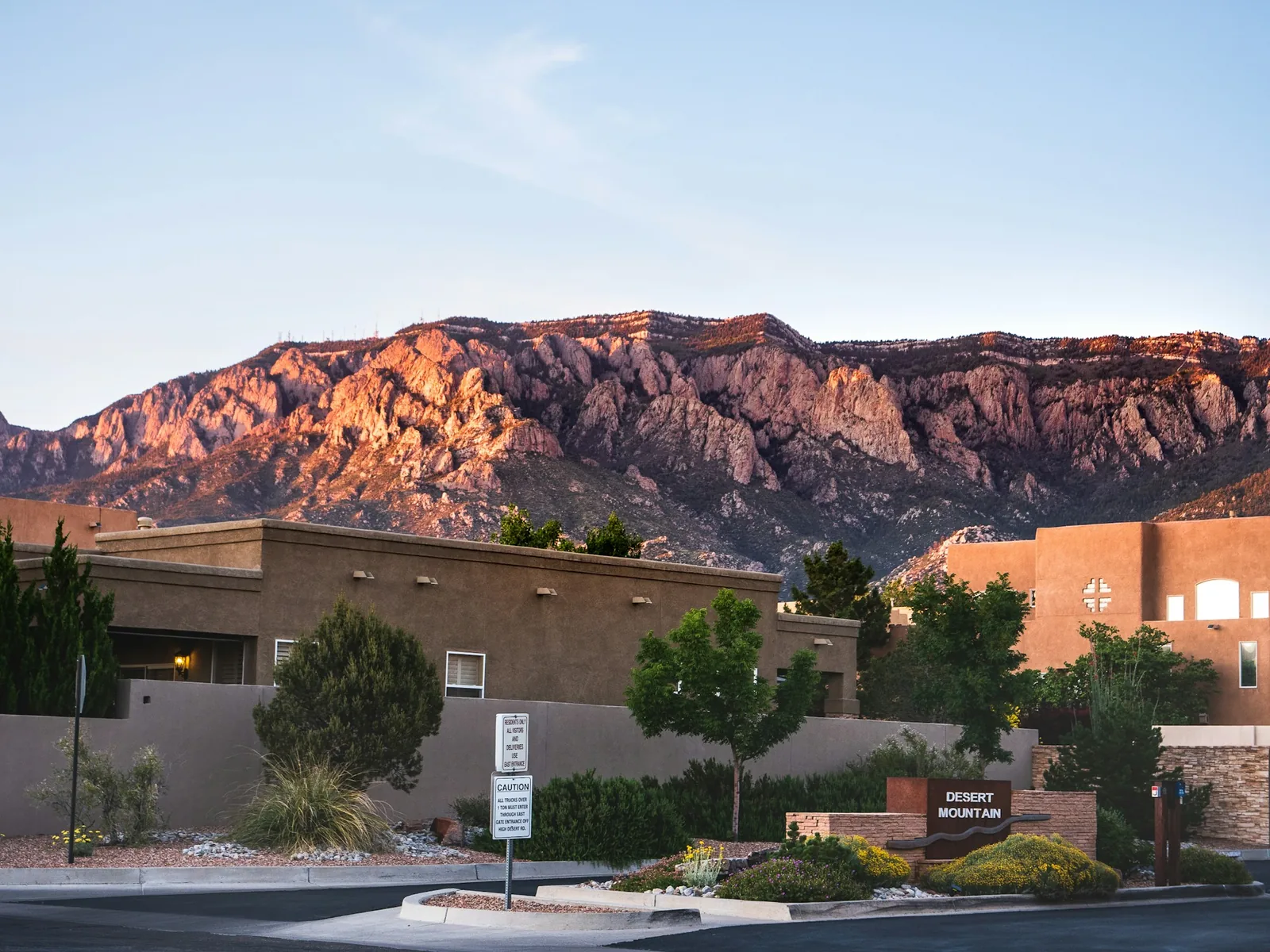
Photography: Albuquerque landscape photographs by Raychel Sanner via Pexels and Unsplash; Bosque Trail photograph by Gabriel Griego via Unsplash. Professional consultation photographs by RDNE Stock project via Pexels: checklist consultation and cost review. Buyer walkthrough photograph by Thirdman via Pexels. People shown in stock photography are models and are not affiliated with Venturi Realty Group.
Important: Rules, forms, brokerage policies, compensation practices, and transaction facts can change. This page provides general information and is not legal, financial, tax, lending, inspection, engineering, appraisal, insurance, or other professional advice. Verify current requirements and consult the appropriate licensed professional for your situation.
Talk through your Albuquerque buying or selling plan
Real estate decisions are too important to rely on guesswork. Venturi Realty Group helps Albuquerque and Central New Mexico buyers and sellers understand their options, see the local market clearly, and choose the next practical step.
Email: [email protected]
Learn more: About Venturi Realty Group
Venturi Realty Group, brokered by Real Broker LLC
1119 Alameda Blvd NW, Albuquerque, NM 87114